Ruby
Rubino
Al₂O₃ Properties
- Category
- Gem
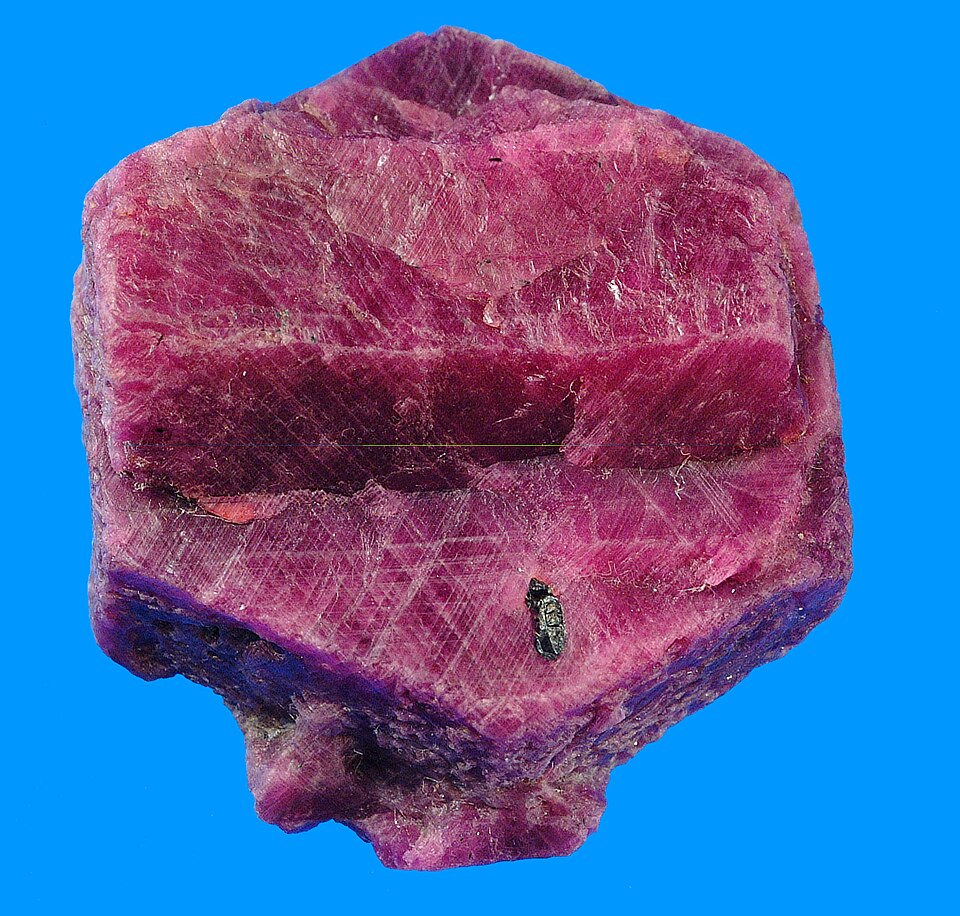
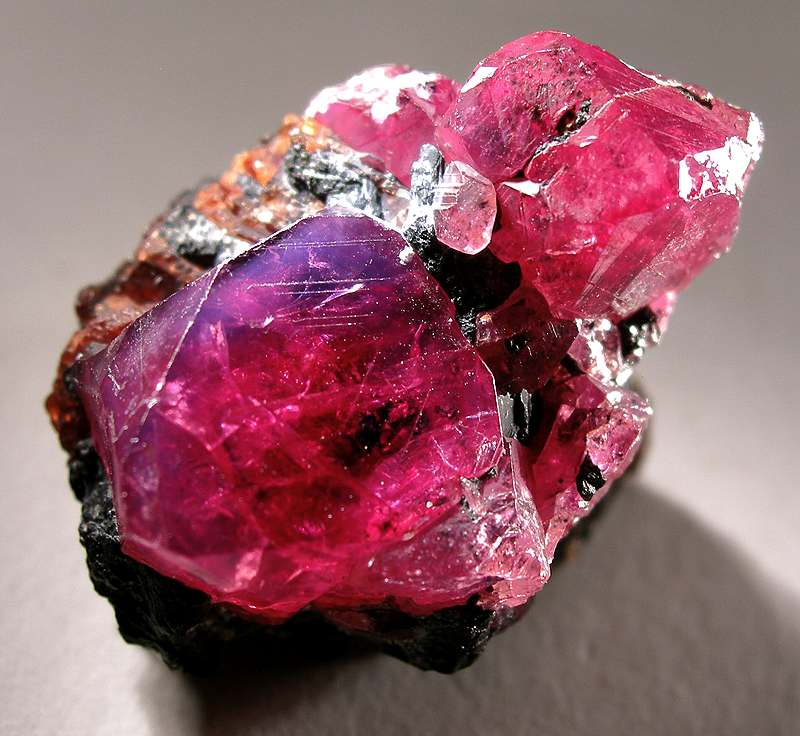
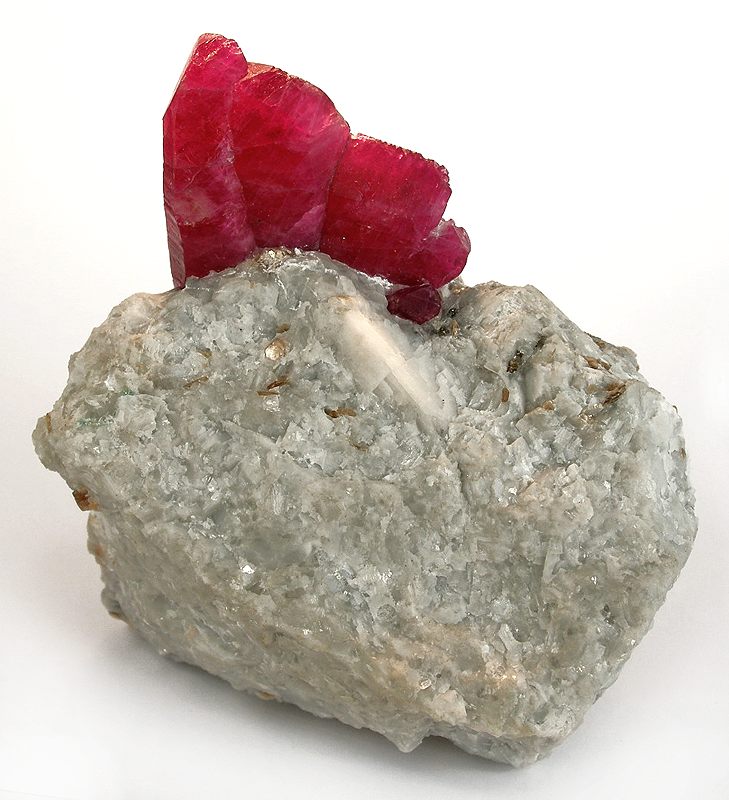
Ruby is a red variety of corundum (Al₂O₃), the second hardest mineral in nature after diamond. Its extraordinary color is due to the presence of chromium traces and represents the most precious gemstone among corundum varieties.
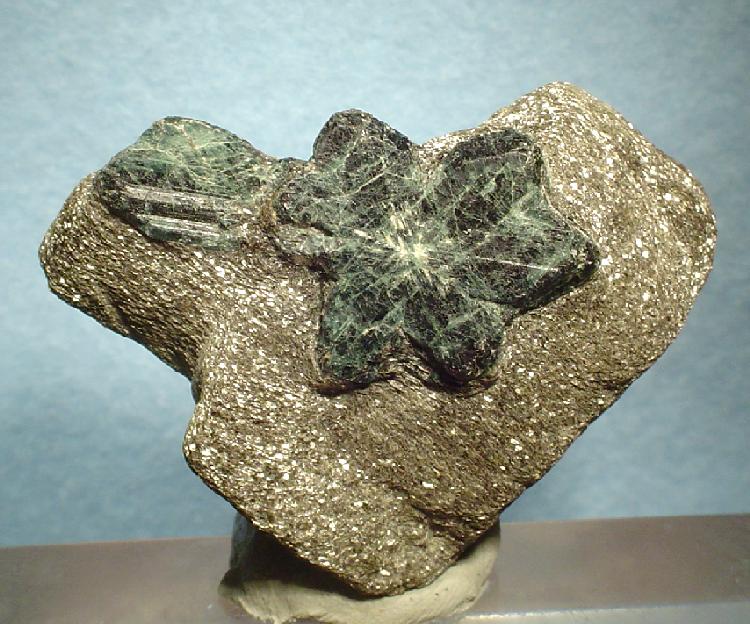
Ruby is a gem variety of corundum, an aluminum oxide crystallized in the trigonal system (space group R3̄c) with hardness 9 on the Mohs scale. The intense red color, which can range from pale pink to pigeon's blood red, is caused by isomorphic substitution of Al³⁺ ions with Cr³⁺ ions in the crystal structure: the higher the chromium content, the more saturated the red. Unlike diamond, ruby is pleochroic, displaying chromatic variations when observed from different angles. Geologically, it forms in metamorphic rocks rich in alumina—primarily marbles and gneisses—through recrystallization processes at high temperatures and pressures, often associated with minerals such as spinel, feldspar, and mica. The most renowned deposits are in Myanmar (Burma), where the Mogok mine produces the finest rubies from a gemological standpoint, followed by Thailand, Sri Lanka, Afghanistan, and recently Tanzania. In the contemporary gemological market, an exceptional quality ruby (saturated color, high transparency, absence of inclusions) can exceed the value of diamond per carat.
Crystal system: trigonal, space group R3̄c; lattice parameters a = 4.761 Å, c = 12.991 Å. Hardness: 9 Mohs (relative scale). Density: 3.97–4.05 g/cm³. Refractive index: nω = 1.760–1.768, nε = 1.768–1.776 (birefringence δ ≈ 0.008). Pleochroism: marked, with colors ranging from intense red to red-orange according to crystallographic axes. UV-Vis spectroscopy: characteristic absorption bands at 468 nm and 694 nm (R-line of red fluorescence, laser emission) due to d-d transitions of Cr³⁺. Fluorescence: vivid red under UV light at 365 nm (characteristic of Cr³⁺ in corundum). Typical inclusions: rutile needles (silk), feldspar crystals, mica, spinel. Common treatments: heating in oxidizing environment (up to 1800 °C) to improve color and clarity; surface diffusion with Be to increase color depth. Gemological classification Gübelin/SSEF: distinction between natural, heat-treated, and synthetic rubies (Verneuil, Czochralski). Market value: highly variable based on geographic origin (Myanmar > Sri Lanka > Thailand), chromatic saturation, absence of treatments, weight in carats (non-linear price curves above 5 ct).
Mining localities
- Mogok, Myanmar (Birmania) — giacimento storico, rubini pigeon's blood
- Chanthaburi, Tailandia — centro di lavorazione e commercio
- Ratnapura, Sri Lanka — rubini di qualità gemmifera
- Badakhshan, Afghanistan — rubini con colore saturo
- Morogoro, Tanzania — scoperte recenti di giacimenti promettenti
- Orissa, India — depositi storici minori
Frequently Asked Questions
What is the difference between ruby and sapphire?
Ruby and sapphire are both varieties of corundum (Al₂O₃), but ruby is red thanks to the presence of chromium, while sapphire is blue, pink, yellow or other colors due to different trace elements. Ruby is generally more valuable than sapphire of equal quality and is the second hardest mineral after diamond with a hardness of 9 on the Mohs scale.
How can I tell if a ruby is authentic or counterfeit?
An authentic ruby has a hardness of 9 on the Mohs scale, so it doesn't scratch with most common materials, and shows characteristic natural inclusions when examined under magnification. Synthetic rubies have perfect crystal structure without inclusions, while true rubies often show rutile needles (silk effect) and other traces of natural formation.
How much does a ruby cost and what determines the price?
Ruby prices vary greatly from hundreds to millions of euros per carat, depending mainly on color (pigeon's blood red is the most prized), clarity, geographic origin and size. High-quality Burmese rubies are the most expensive, followed by Kashmiri and Thai rubies, while synthetic rubies cost less than 10% of equivalent natural stones.
Where are rubies found in nature and how do they form?
Rubies form mainly in metamorphic rocks like marbles and alumina-rich gneiss, when chromium penetrates the corundum structure (Al₂O₃) during geological processes at high temperatures and pressures. The world's main deposits are found in Burma, Thailand, Afghanistan, Vietnam and Kashmir, with Burma remaining the world's most important source of superior quality rubies.
Entry generated with Claude API (Anthropic) on data extracted from Mindat, RRUFF and Wikipedia. Not yet reviewed by a human expert. Verify data against original sources before citing in formal work.