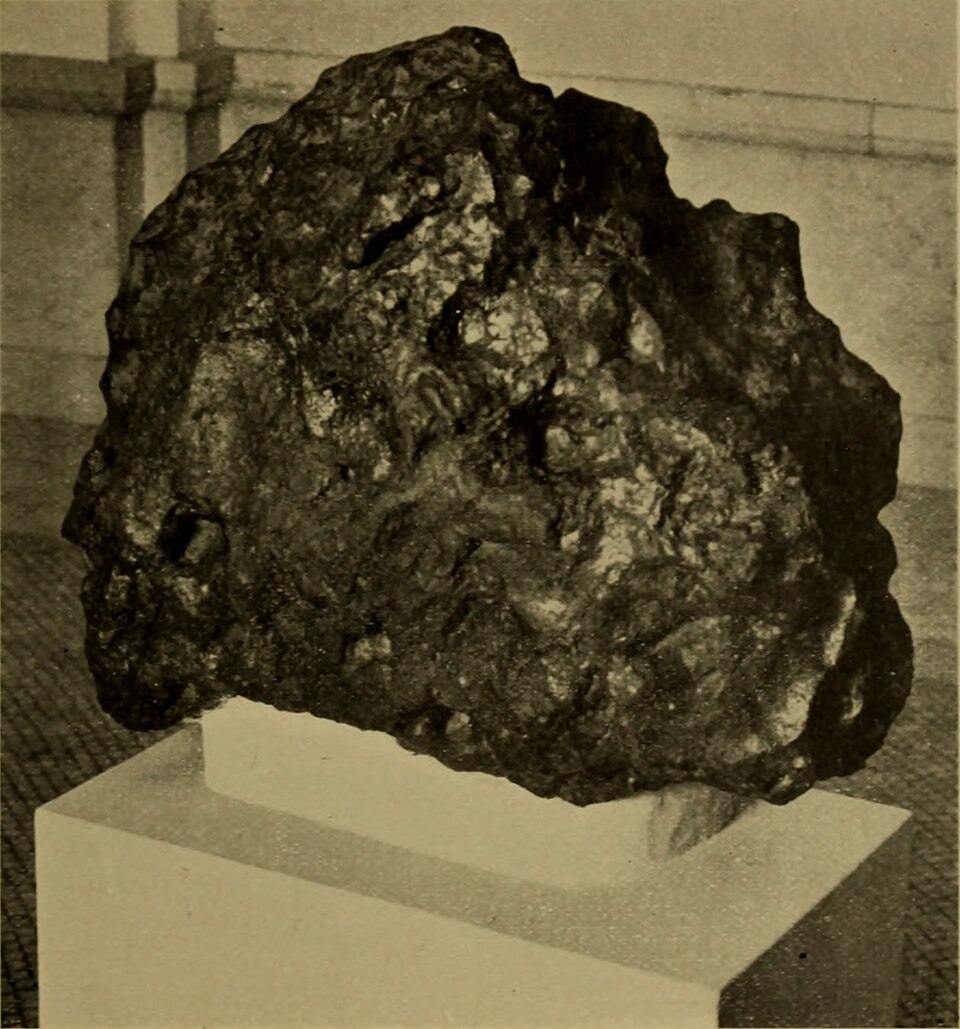
Canyon Diablo
Canyon Diablo
Fe-Ni Properties
- Category
- Meteorite
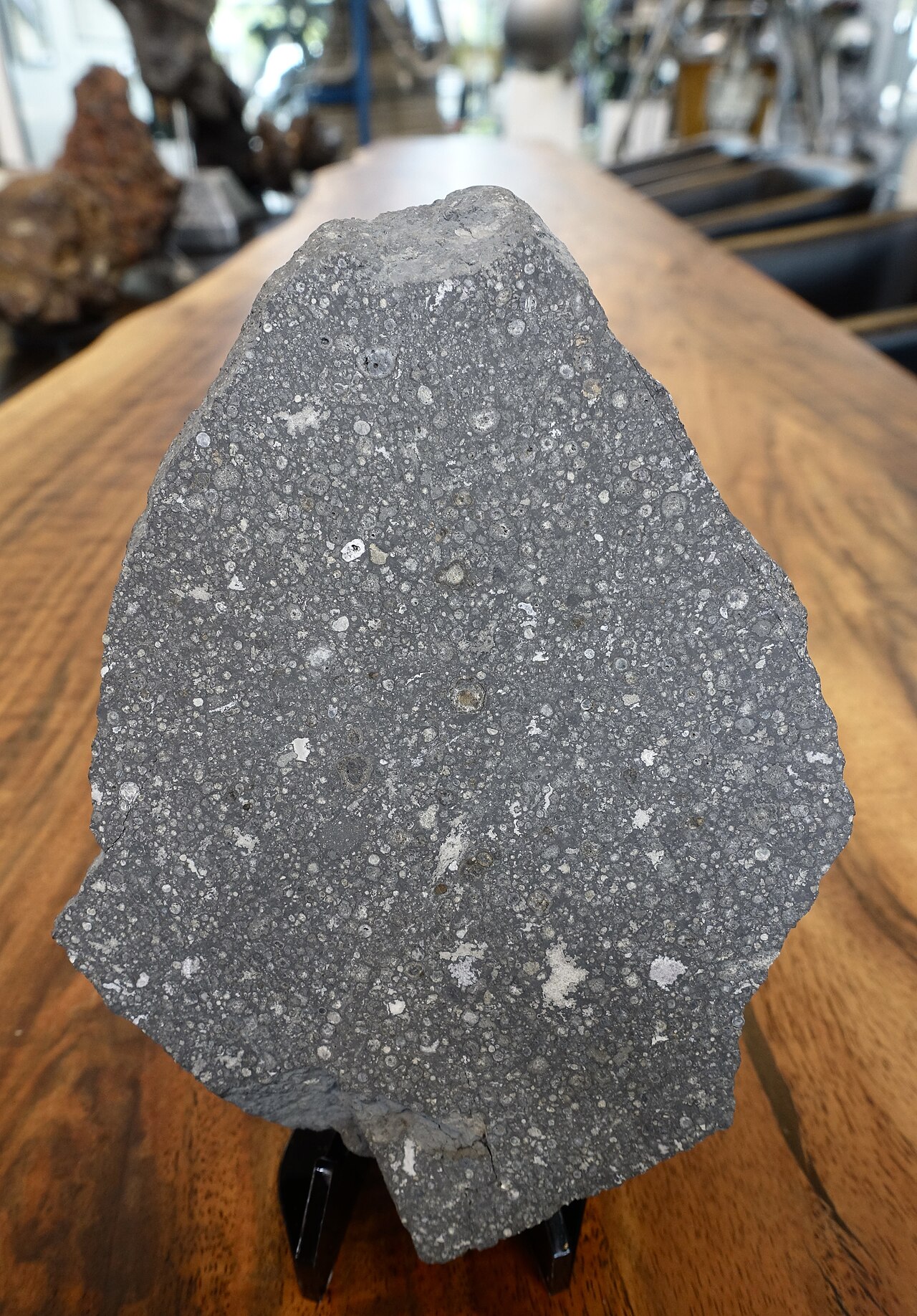
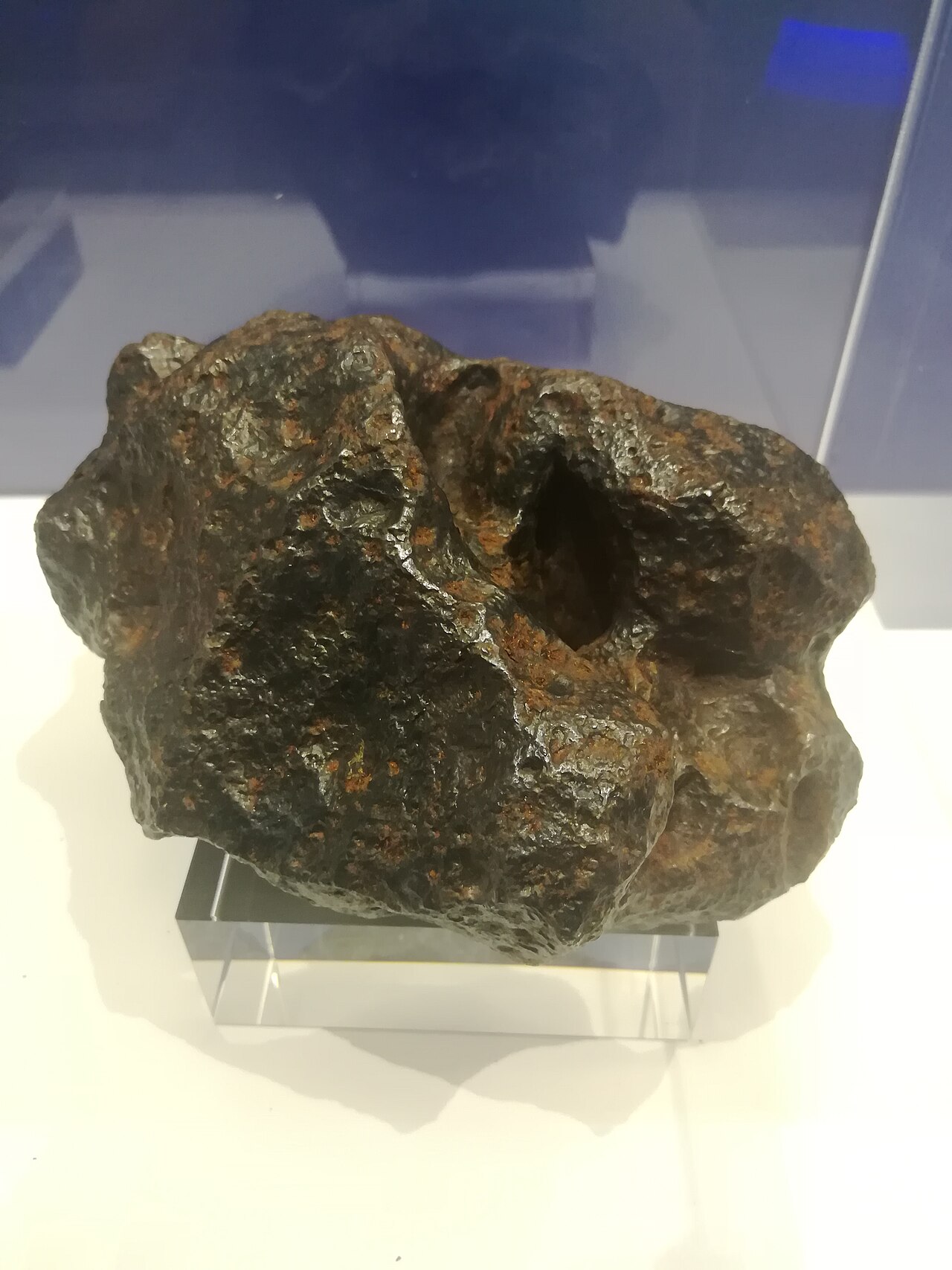
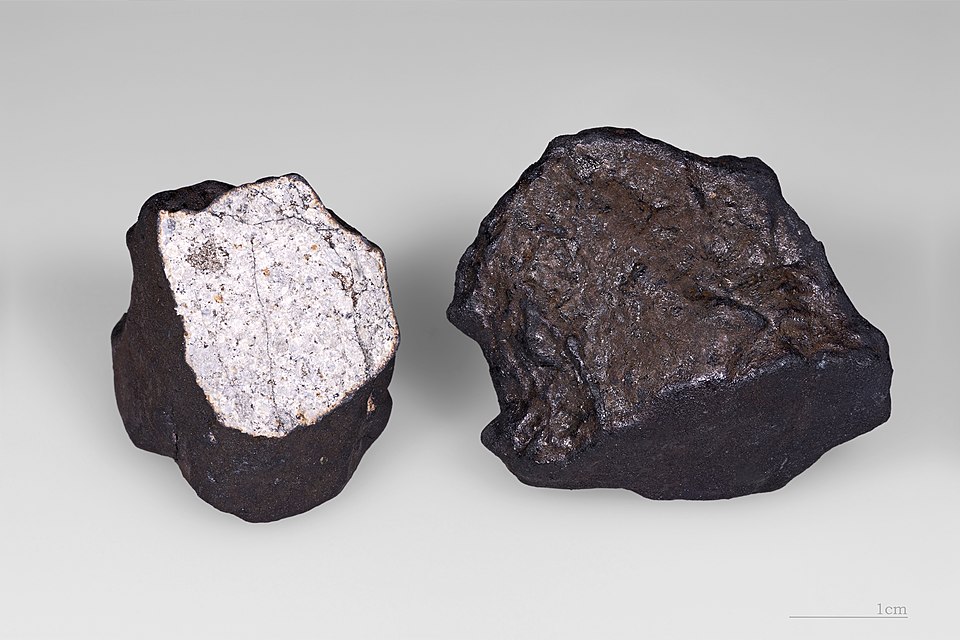
Canyon Diablo is an iron meteorite that fell in Arizona approximately 50,000 years ago, composed primarily of a natural alloy of iron and nickel. It is one of the most studied meteorites in the world, and its impact crater represents one of the most evident geological proofs of terrestrial meteorite bombardment.
Canyon Diablo represents one of the most important cases of an iron meteorite that has fallen to Earth. The main fragment crashed in the Arizona desert, creating the famous Meteor Crater (also known as Barringer Crater), an impressive depression approximately 1,200 meters in diameter. The impact, dating back to approximately 50,000 years ago, released energy equivalent to several atomic bombs, pulverizing much of the original meteorite but leaving numerous fragments scattered around the crater.
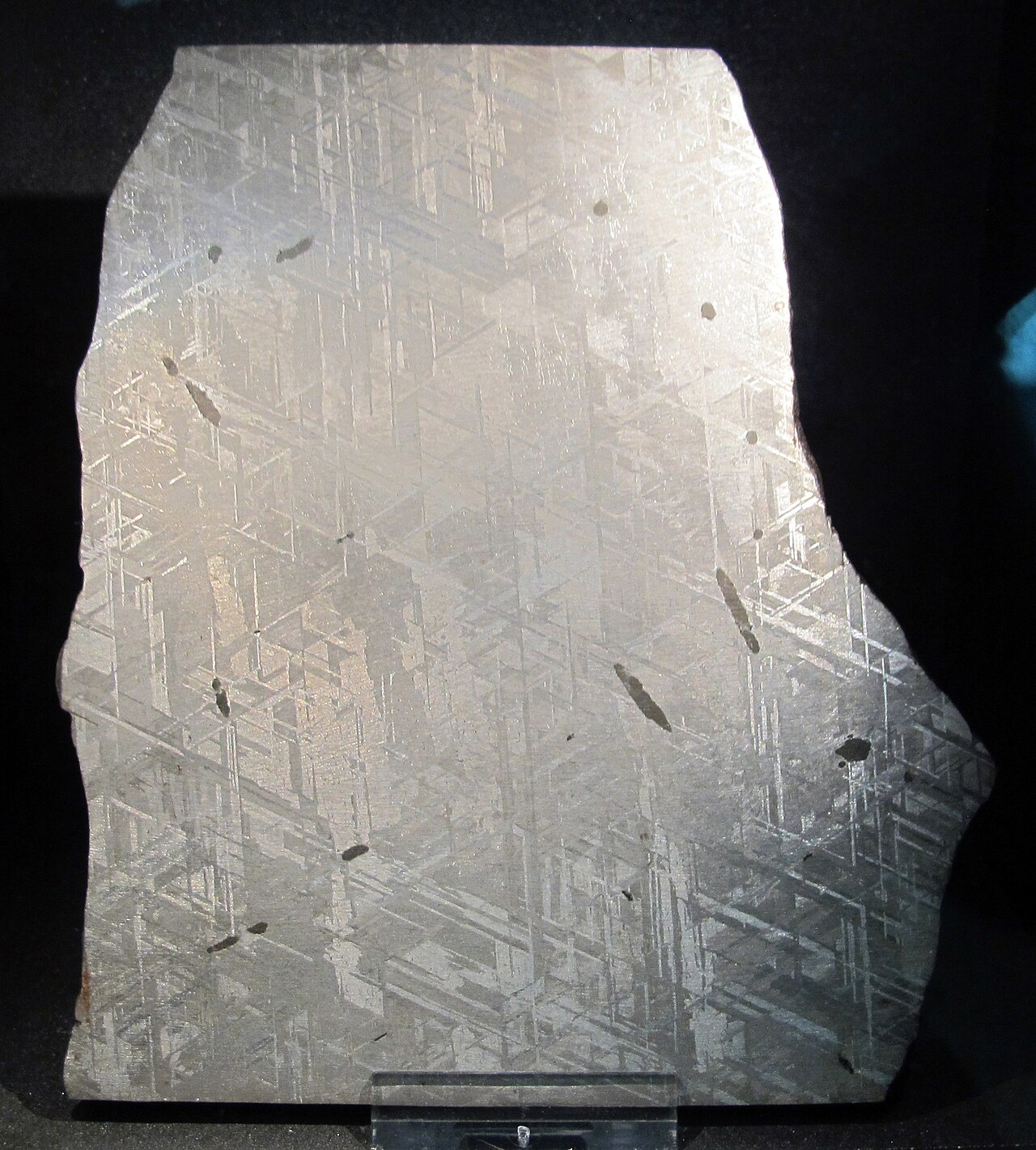
The composition of Canyon Diablo is characteristic of octahedrite-type meteorites: an Fe-Ni alloy with nickel percentages ranging between 7 and 10%. When the meteorite's surface is subjected to chemical attack (a procedure called etching with nitric acid), a distinctive crystalline structure emerges known as Widmanstätten figures, resulting from the alternation of two crystalline phases: kamacite (iron-nickel with low nickel content) and taenite (iron-nickel with high nickel content). These patterns are an unmistakable signature of extraterrestrial origin and slow cooling in the space environment.
Canyon Diablo fragments have been crucial for scientific research: they have enabled the determination of the age of the Solar System, the understanding of planetary differentiation processes, and the study of the isotopic composition of primordial celestial bodies. Today they remain objects of great scientific and collectible value, preserved in major natural history museums and specialized private collections.
Canyon Diablo belongs to the IAB (Iron, magmatic group AB) classification according to modern schemes, with Fe-Ni composition characterized by nickel concentrations around 8-9% by weight. The microstructure reveals kamacite (band width 0.3-1.5 mm) and taenite (interdendrite films), with occasional inclusions of troilite (FeS) and schreibersite (Fe,Ni)₃P. The measured hardness is 4-5 on the Mohs scale, typical of unannealed iron meteorites. The crystal system is cubic for both metallic phases (kamacite: a ≈ 2.87 Å; taenite: a ≈ 3.58 Å). Average density is approximately 7.8 g/cm³. Isotopic analyses of iron and nickel have provided chronological constraints on the formation of the progenitor planetary core, with an age of approximately 4.56 billion years. Radiometric dating via ⁶²Fe → ⁶²Ni decay has confirmed its belonging to a differentiated body. Optical microscopy in reflected light clearly shows Widmanstätten figures after etching with 5-10% HNO₃. X-ray fluorescence spectroscopy (XRF) confirms Fe-Ni composition with traces of Co, Cu, P, S. Some fragments show evidence of shock metamorphism (plastic deformation, slip lines in kamacite crystals).
Mining localities
- Canyon Diablo, Winslow, Arizona, USA
- Meteor Crater (Barringer Crater), Arizona, USA
Frequently Asked Questions
How much is a Canyon Diablo meteorite worth and where can I buy it?
Canyon Diablo fragment prices vary considerably based on weight and quality, ranging from tens to thousands of euros for larger pieces. They can be found through specialized online meteorite dealers, scientific auctions, and mineralogical museums, though authentic specimens are increasingly rare and require authenticity certificates.
How can I tell if a meteorite is really from Canyon Diablo?
A genuine Canyon Diablo meteorite is a natural Fe-Ni alloy with very high density (approximately 7.8 g/cm³) and displays a characteristic crystalline structure visible under microscope called the Widmanstätten pattern. The only definitive certification method is to submit it for isotopic and mineralogical analysis at a specialized laboratory.
When did the Canyon Diablo meteorite fall and how did it form the crater?
The Canyon Diablo meteorite fell in Arizona approximately 50,000 years ago at an estimated impact velocity of 12.8 km/s, generating explosive energy equivalent to about 2.5 megatons of TNT. The impact created Barringer Crater (Meteor Crater), a well-preserved impact crater 1.2 km in diameter, which remains one of the most evident geological proofs of terrestrial meteoritic bombardment.
What is the chemical composition of Canyon Diablo and what physical properties does it have?
Canyon Diablo is an iron meteorite (siderite) composed primarily of a natural Fe-Ni alloy with nickel percentages around 6-35%, plus traces of cobalt and other elements. It has a hardness between 4 and 5 on the Mohs scale, is magnetic, has a density of 7.8 g/cm³, and is resistant to oxidation, though it slowly forms an oxide patina on the surface.
Entry generated with Claude API (Anthropic) on data extracted from Mindat, RRUFF and Wikipedia. Not yet reviewed by a human expert. Verify data against original sources before citing in formal work.